Complete Guide to the Portuguese Way
The Portuguese Way of Saint James is one of the most important historic routes of the Camino de Santiago and is כיום one of the most traveled routes in the entire Jacobean network. Traditionally used by pilgrims coming from Portugal and southern Europe, it has now become one of the most international and diverse routes.
The Portuguese Way is structured into two main official variants:
- Central Portuguese Way
- Portuguese Coastal Way
Both itineraries offer very different experiences, both in landscape and culture, and are perfectly signposted, organized, and prepared for the modern pilgrim.
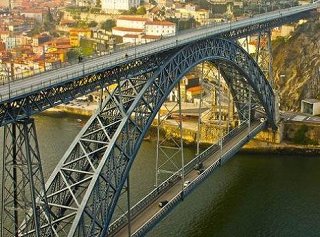
Peregrino.online provides the complete guide for each route, with detailed stages, maps, profiles, services, planning, and practical resources. Although some pilgrims choose to start the route further south, in Lisbon or other towns, in these guides we begin the journey in Porto. Porto is also where the two variants split, the central route and the coastal route.
What is the Portuguese Way?
The Portuguese Way is the Jacobean route that connects Portugal with Santiago de Compostela, crossing northern Portugal and Galicia until reaching the spiritual capital of the Camino.
It is an itinerary characterized by:
- High-quality infrastructure
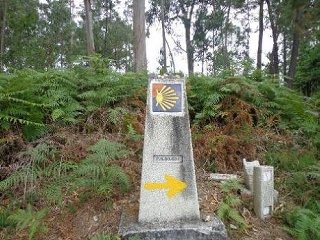
- Excellent signposting
- Great landscape diversity
- Strong cultural identity
- Abundant services
- Logistical accessibility
It is an ideal route for both first-time pilgrims and experienced walkers, with an optimal balance between physical challenge, natural beauty, historical heritage, and organizational comfort.
The two routes of the Portuguese Way
Central Portuguese Way
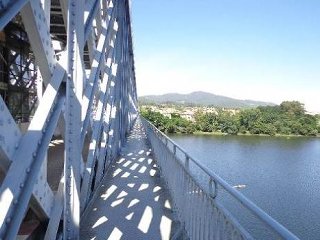
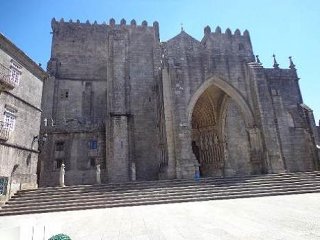
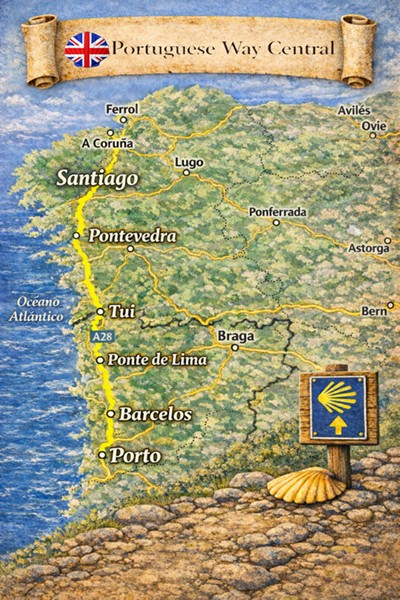
The Central Portuguese Way is the traditional historic route. It runs inland, passing through cities and towns such as Porto, Barcelos, Ponte de Lima, Tui, Redondela, Pontevedra and Padrón.
Features:
- Inland route
- Greater historical heritage
- Rural and urban environments
- More classic route
- Greater presence of Portuguese and Spanish pilgrims
Portuguese Coastal Way
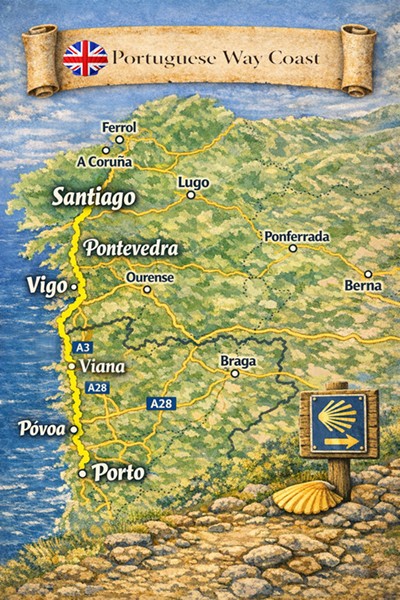
The Portuguese Coastal Way follows the Atlantic coastline, combining coastal paths, beaches, cliffs, and maritime cities such as Porto, Vila do Conde, Viana do Castelo, A Guarda, Oia, Baiona and Vigo.
Features:
- Coastal route
- Strong scenic component
- High visual appeal
- More international route
- More natural and open experience
Stages of the Portuguese Way
The Portuguese Way is structured into two main variants — Central Portuguese Way and Portuguese Coastal Way — which converge in Redondela and continue as a single route to Santiago de Compostela.
The full route is usually organized into 11 stages, allowing pilgrims to easily meet the minimum distance requirement to obtain the Compostela.
From the real sum of the official stages of the Portuguese Way, both in its central variant and the Portuguese Coastal Way, and the common section to Santiago de Compostela, the following real accumulated distances by main sections are obtained.
- Porto – Tui (Central Portuguese Way):
The route from Porto to Tui inland through Portugal, following the Central Portuguese Way, totals 123.9 km. This section corresponds to the complete itinerary through Portugal until entering Galicia at the Spanish–Portuguese border. - Tui – Santiago de Compostela (Galician section):
From Tui to Santiago de Compostela, including the stages Tui–O Porriño, O Porriño–Redondela, and the common section Redondela–Santiago, the total distance is 113.6 km. This section allows pilgrims to meet the minimum distance requirement for obtaining the Compostela. - Porto – Caminha (Portuguese Coastal Way):
The coastal route from Porto to Caminha, following the Atlantic variant of the Portuguese Coastal Way, totals 108.0 km, passing through maritime towns and Atlantic coastal sections. - A Pasaxe – Santiago de Compostela (coastal route + common section):
From A Pasaxe, after the ferry crossing from Caminha, and continuing along the coastal route to Redondela and the common section to Santiago de Compostela, the total accumulated distance is 156.4 km. This itinerary integrates the Portuguese Coastal Way with the final common section of the Portuguese Way.
These distances allow a precise understanding of the real length of the main sections of the Portuguese Way, facilitating stage planning, logistical organization, and route selection according to the pilgrim’s physical profile, available time, and the type of experience sought.
| Stage | Section | Approx. distance |
|---|---|---|
| Central Portuguese Way | ||
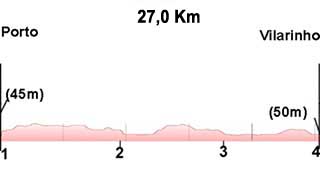
| 1 | Porto – Vilarinho | 27.0 km |
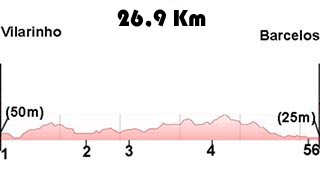
| 2 | Vilarinho – Barcelos | 26.9 km |
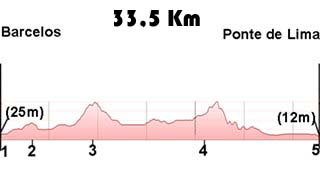
| 3 | Barcelos – Ponte de Lima | 33.5 km |
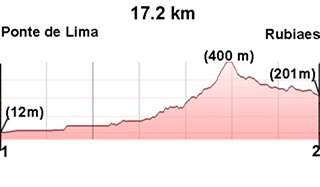
| 4 | Ponte de Lima – Rubiaes | 17.2 km |
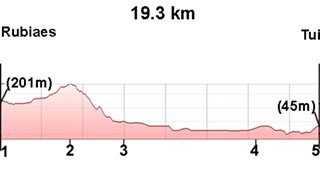
| 5 | Rubiaes – Tui | 19.3 km |
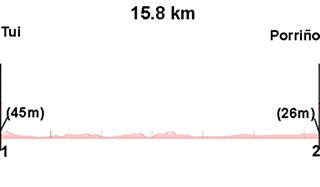
| 6 | Tui – O Porriño | 15.8 km |
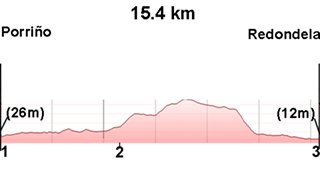
| 7 | O Porriño – Redondela | 15.4 km |
| Portuguese Coastal Way | ||
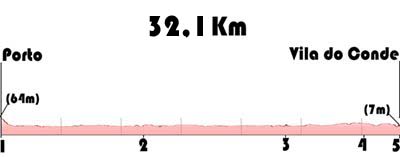
| 1 | Porto – Vila do Conde | 32.1 km |
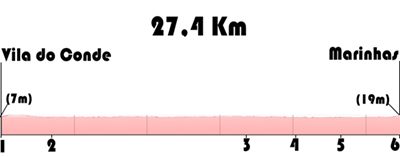
| 2 | Vila do Conde – Marinhas | 27.4 km |
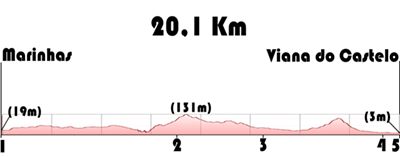
| 3 | Marinhas – Viana do Castelo | 20.1 km |
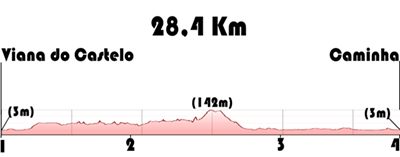
| 4 | Viana do Castelo – Caminha | 28.4 km |
| — | Ferry Caminha – A Pasaxe | — |
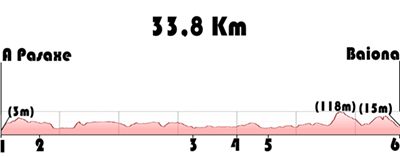
| 5 | A Pasaxe – Baiona | 33.8 km |
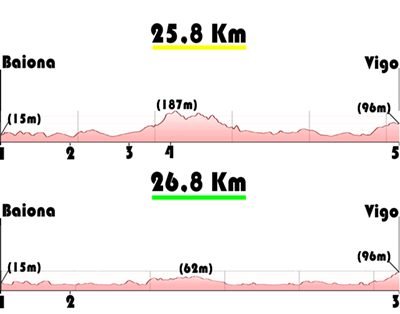
| 6 | Baiona – Vigo | 25.8 km |
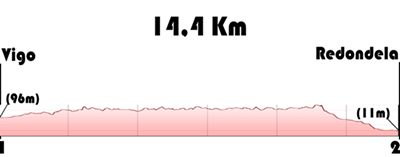
| 7 | Vigo – Redondela | 14.4 km |
| Common Section Central–Coast (Redondela → Santiago) | ||
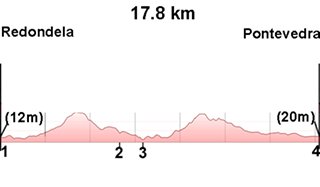
| 8 | Redondela – Pontevedra | 17.8 km |
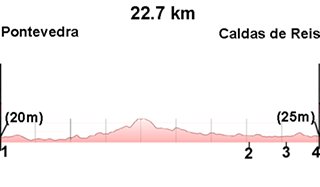
| 9 | Pontevedra – Caldas de Reis | 22.7 km |
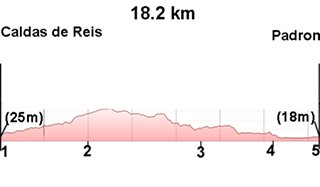
| 10 | Caldas de Reis – Padrón | 18.2 km |
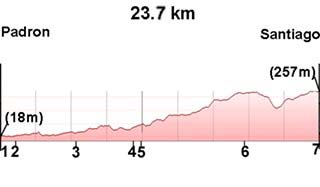
| 11 | Padrón – Santiago de Compostela | 23.7 km |
This structure corresponds to the real planning of the Portuguese Way: independent routes from Porto inland and along the coast, converging in Redondela and continuing as a unified final section to Santiago de Compostela.
Portuguese Way Statistics
The Portuguese Way, both in its central variant and the Portuguese Coastal Way, has been the Camino de Santiago route that has experienced the greatest growth in pilgrim numbers in recent years, consolidating itself as one of the main axes of the modern Jacobean system.
Growth in the number of pilgrims
- Central Portuguese Way:
- 2019: 72,000 pilgrims
- 2025: 100,000 pilgrims
- Portuguese Coastal Way:
- 2019: 22,000 pilgrims
- 2025: 90,000 pilgrims
Adding both routes together, the Portuguese Way has grown in just six years from 94,000 pilgrims in 2019 to 190,000 pilgrims in 2025, representing an increase of over 100%.
Main starting points
Central Portuguese Way (2025)
- Tui: 41,000 pilgrims
- Valença do Minho: 18,000 pilgrims
- Porto: 26,000 pilgrims
These three starting points account for approximately 85% of all pilgrims on the Central Portuguese Way, with the rest starting from multiple intermediate towns.
Portuguese Coastal Way (2025)
- Porto: 25,000 pilgrims
- Vigo: 18,000 pilgrims
- Baiona: 10,000 pilgrims
The remaining starting points of the Portuguese Coastal Way show a lower concentration of pilgrims, with departures more evenly distributed along the route.
Pilgrim nationalities
The most frequent nationalities on the Portuguese Way are:
- Spain
- Portugal
- United States
- Italy
- Germany
Differences between routes
- Central Portuguese Way:
- Spaniards: 38%
- Portuguese: 12%
- Portuguese Coastal Way:
- Greater presence of Italians, Germans, and Poles
- Poles: 4,000 pilgrims on the coast vs 1,500 on the central route
Months with the highest number of pilgrims
- September (month with the highest influx)
- May
- June
- July
- August
The rest of the year has a lower density of pilgrims and is more suitable for those seeking a quieter, less crowded experience.
Ways of completing the Camino
- On foot: main modality
- By bicycle: 4% of pilgrims
- On horseback: 248 people
- In a wheelchair: 65 people
Gender distribution (2025)
- Women: 58%
- Men: 42%
Who is the Portuguese Way ideal for?
- First-time pilgrims
- People seeking well-organized routes
- Walkers who value infrastructure and services
- Pilgrims seeking landscape variety
- Users of apps and digital planning
- International travelers
- People who want to combine nature and culture
Advantages of the Portuguese Way
- High-quality signposting
- Complete infrastructure
- Landscape diversity
- Large network of hostels
- Constant services
- Good logistical accessibility
- Connectivity between routes
- Adaptability to different physical profiles
The Portuguese Way within the Camino de Santiago
The Portuguese Way is today one of the structural routes of the Jacobean system. It is not an alternative or secondary route: it is one of the main axes of the modern Camino de Santiago.
Its growth, infrastructure, international projection, and capacity to adapt to the contemporary pilgrim make it one of the strongest, safest, and most complete routes in the Jacobean ecosystem.
Portuguese Way and peregrino.online
At peregrino.online you will find:
- Complete route guides
- Detailed stages
- Interactive maps
- Stage planning
- Practical data
- Logistical information
- Resources for the app
- Digital Camino planning
Both the Central Portuguese Way and the Portuguese Coastal Way are fully structured within the platform as independent, complete routes optimized for real planning.
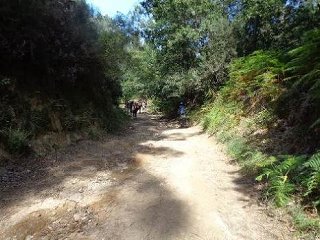
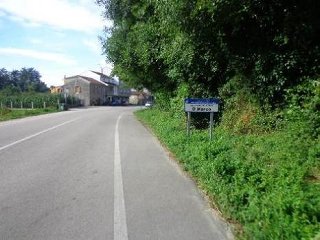
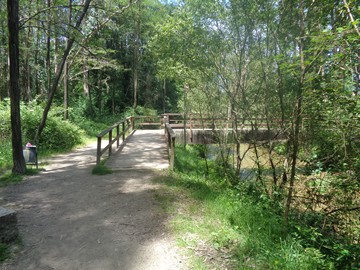
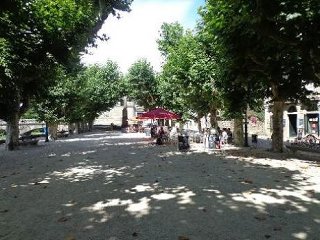
The Portuguese Way in images