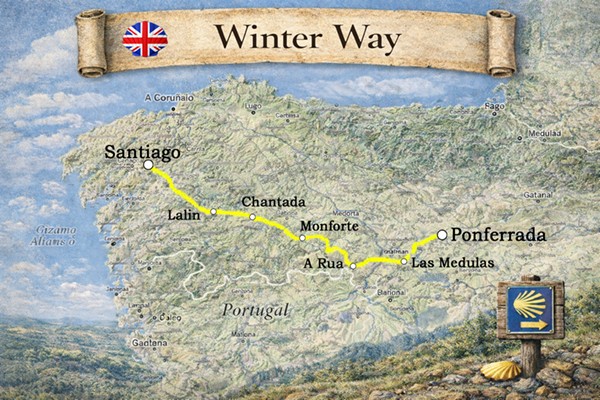
Winter Way Stages
Complete Guide to the Winter Way
The Camino de Invierno is one of the lesser-known historic routes of the Camino de Santiago. It emerged as an alternative to the Camino Francés during the coldest months of the year, when pilgrims avoided the harsh weather conditions and snow in the mountain passes of O Cebreiro.
This route runs mainly through the interior of Galicia, crossing regions of great scenic, wine-producing and heritage value, such as El Bierzo, the Ribeira Sacra and the Miño river valley. It is a longer, more solitary and demanding route than other Jacobean paths, ideal for experienced pilgrims or for those seeking an authentic, peaceful experience deeply connected to the land.
The Camino de Invierno offers a different experience: less crowding, greater contact with nature and a strong historical and rural character.
Where does the Winter Way start from?
Camino de Invierno from Ponferrada
- Approximate distance: 260 km
- Number of stages: 10–12
- Right to Compostela: Yes
- Type of route: interior, rural and mountainous
- Profile: pilgrims with time and experience
Winter Way Stages
The Camino de Invierno from Ponferrada has an approximate length of 260 kilometers and is usually organized into 10 to 12 stages, depending on the pilgrim's pace and route planning.
| Stage | Section | Approx. distance |
|---|---|---|
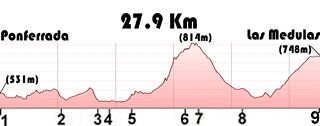
| 1 | Ponferrada – Las Médulas |
27.9 km |
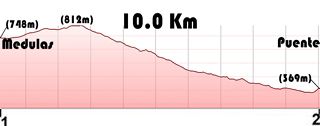
| 2 | Las Médulas – Puente de Domingo Flórez |
10.0 km |
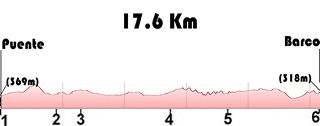
| 3 | Puente de Domingo Flórez – O Barco de Valdeorras |
17.6 km |
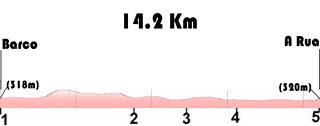
| 4 | O Barco de Valdeorras – A Rúa |
14.2 km |
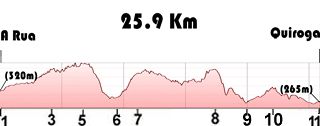
| 5 | A Rúa – Quiroga |
25.9 km |
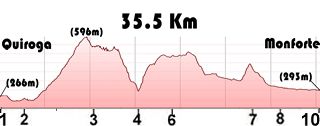
| 6 | Quiroga – Monforte de Lemos |
35.5 km |
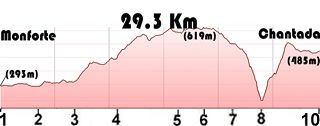
| 7 | Monforte de Lemos – Chantada |
29.3 km |
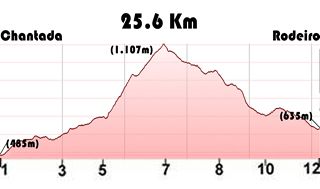
| 8 | Chantada – Rodeiro |
25.6 km |
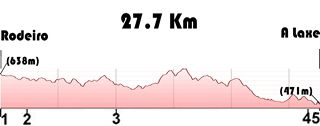
| 9 | Rodeiro – A Laxe |
27.7 km |
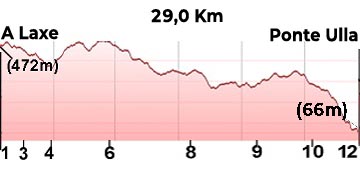
| 10 | A Laxe – Ponte Ulla |
29.9 km |
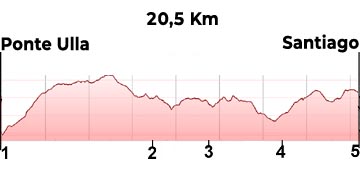
| 11 | Ponte Ulla – Santiago de Compostela |
20.5 km |
| Total Camino de Invierno distance | 264.1 km | |
Frequently Asked Questions about the Winter Way
How many kilometers is the Camino de Invierno?
The Camino de Invierno has an approximate distance of 250 to 270 kilometers, depending on variants and detours.
How many days does it take to complete the Camino de Invierno?
The most common is to complete it in 10 to 12 days.
Is the Camino de Invierno difficult?
It is considered medium-high difficulty, with significant elevation changes, long stages and mountain sections.
Can you obtain the Compostela?
Yes. It far exceeds the minimum 100 km required.
What is the best time to do it?
Spring and autumn. Winter is possible, but requires good planning and experience.
Camino de Invierno Statistics
The Camino de Invierno is one of the most recent routes of the Camino de Santiago. Its recovery and modern signposting began in 2009 and, although its growth has been progressive, in recent years it has experienced a constant increase in the number of pilgrims.
In 2025, a total of 2,750 pilgrims walked the Camino de Invierno. Although this figure is still small compared to other more established Jacobean routes, it represents a very significant increase compared to the approximately 1,000 pilgrims registered in 2019, confirming the growing interest in this less crowded alternative.
Origin of Camino de Invierno pilgrims
Regarding origin, 66% of the pilgrims who completed the Camino de Invierno in 2025 were Spanish. This clear national predominance is largely explained by the fact that it is still a route little known abroad.
Among the most present international nationalities, far behind the Spanish, are Portugal, Italy, the United States, Poland and Germany, reflecting potential for future growth at the international level.
Starting points of the Camino de Invierno
The vast majority of pilgrims started the Camino de Invierno in Ponferrada. Specifically, more than 1,500 people began their pilgrimage there, representing more than 67% of the total.
The second most important starting point is Monforte de Lemos, with more than 850 pilgrims. Since Monforte is approximately 130 kilometers from Santiago de Compostela, it allows meeting the minimum distance requirement to obtain the Compostela. The remaining starting locations have clearly minority numbers.
Months with highest pilgrim flow
The months with highest pilgrim flow on the Camino de Invierno are May, June and July, with an average of approximately between 400 and 500 pilgrims per month. This higher concentration coincides with more favorable weather conditions and holiday periods.
Pilgrimage mode
Virtually all pilgrims complete the Camino de Invierno on foot. However, in 2025, approximately 100 pilgrims completed the route by bicycle, representing approximately 4% of the total.
How to get to Ponferrada
Ponferrada is the traditional starting point of the Camino de Invierno.
By train
It has a train station with connections from León, Galicia and Madrid.
By bus
Regular bus lines connect Ponferrada with the main cities of the northwest.
By car
Good road access from León, Galicia and Asturias.
Planning the Camino de Invierno
Days needed
Between 10 and 14 days.
Difficulty level
Medium-high.
Infrastructure
- Limited hostels
- Irregular services
- Long sections without towns
Pilgrim preparation
- Good physical condition
- Technical mountain footwear
- Light but complete backpack
- Thermal and rain clothing
- Pilgrim's credential
Who is the Camino de Invierno ideal for?
- Experienced pilgrims
- Mountain and nature lovers
- Those seeking solitude and authenticity
- Pilgrims who avoid crowded routes
Advantages of the Camino de Invierno
- Very low crowding
- High scenic richness
- Historical and cultural value
- Direct contact with the rural environment
The Camino de Invierno within the Camino de Santiago
The Camino de Invierno is part of the official network of Jacobean routes. It is a historic alternative to the Camino Francés and one of the most authentic and demanding routes of the Camino de Santiago.
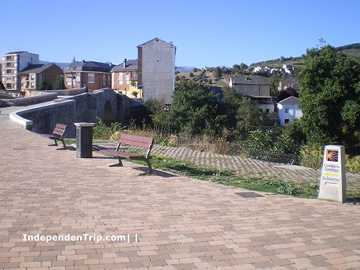
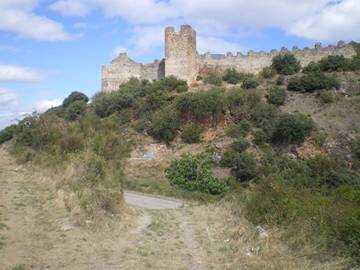
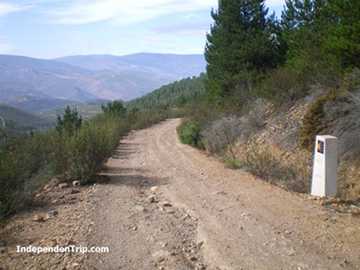
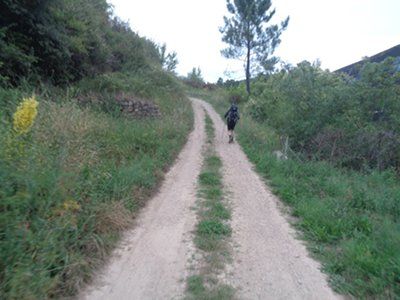
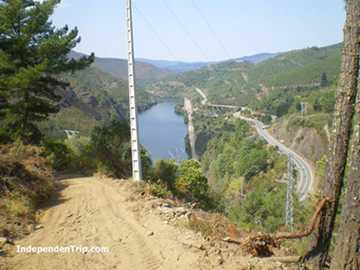
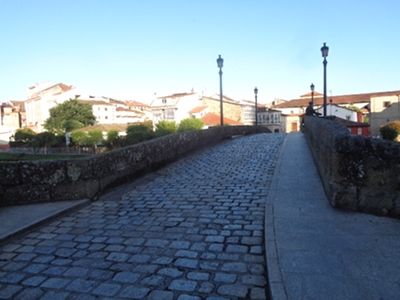
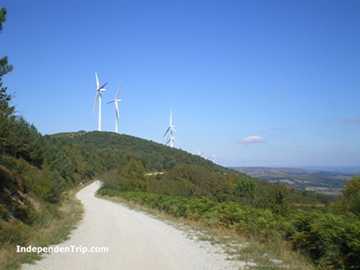
The Camino de Invierno in images